Gas leak and carbon monoxide warning signs: what to do
By Petra Vogel · Updated 2026-06-29
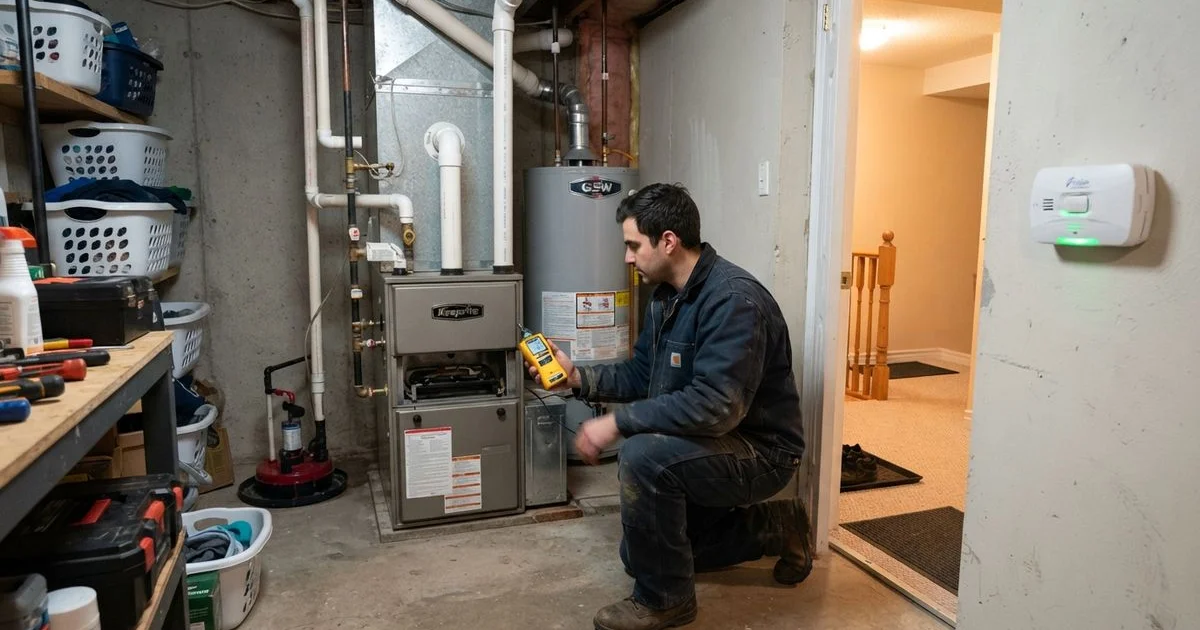
This is general safety information, not a substitute for professional inspection or emergency response. If you suspect a gas leak or carbon monoxide exposure right now, leave the home and call for help before reading further.
Signs of a gas leak
A rotten-egg or sulfur smell near an appliance, meter, or gas line is the most recognizable sign, since utilities add that odorant specifically so leaks are noticeable. Other signs include a hissing sound near a gas line or appliance, dead or discolored vegetation in an otherwise healthy patch near an outdoor line, and bubbles in standing water above a buried gas line. Indoors, a pilot light that won’t stay lit or an unusual increase in your gas bill without a clear reason can sometimes point to a slow leak too, though these are less reliable signs on their own.
Signs of carbon monoxide exposure
Carbon monoxide is odorless, so the signs are physical rather than something you smell or see in the air. Watch for headache, dizziness, nausea, confusion, or flu-like symptoms that improve when you leave the house and return when you’re back inside, especially if multiple people or pets in the home are affected around the same time. This pattern, symptoms tied to being in the house, is one of the more reliable clues that something is wrong with an appliance rather than a passing illness.
| Sign | Gas leak | Carbon monoxide |
|---|---|---|
| Detectable by smell | Yes, rotten-egg odor | No, odorless |
| Physical symptoms | Possible, from prolonged exposure | Headache, dizziness, nausea, confusion |
| Source | Leaking line, fitting, or appliance | Incomplete combustion in a gas appliance |
| Immediate action | Leave, don’t use switches or flames, call from outside | Leave, get to fresh air, call emergency services |
What to do immediately
Leave the home. Don’t turn light switches, appliances, or anything electrical on or off on your way out, since a spark near a gas leak is a real risk. Don’t light a match or use a lighter to check for a leak; that sounds obvious written down, but it’s a documented cause of injury. Once outside, call your gas utility’s emergency line or 911, and don’t go back in until you’re told it’s safe.
For suspected carbon monoxide, the response is the same: get everyone, including pets, into fresh air immediately, and call emergency services. If anyone is showing symptoms, seek medical attention even after leaving the home, since CO exposure can have effects that don’t fully resolve just by getting outside.
Where problems tend to start
Aging appliances are the most common source of both risks. A furnace or water heater nearing the end of its service life is more likely to develop a cracked heat exchanger or a venting problem that lets exhaust gases spill back into the home instead of escaping outside. Blocked or damaged venting, sometimes from bird nests, ice buildup, or a disconnected pipe, is another common cause, and it can develop gradually without any obvious sign until a detector goes off or someone starts feeling unwell. Homes that have had renovation work done, particularly anything that touched ductwork, chimneys, or venting, are worth a follow-up inspection to confirm nothing was disturbed or sealed incorrectly.
Reducing the risk before it happens
Working carbon monoxide detectors on every level of the home, especially near sleeping areas, are the single most effective early warning system available to homeowners, since they catch what people can’t smell. Have gas appliances, furnaces, and water heaters serviced on a regular schedule, and pay attention to any appliance that seems to be burning with a yellow, flickering flame instead of a steady blue one, which can indicate incomplete combustion. Never use an outdoor appliance, like a barbecue or generator, inside a garage or enclosed space.
A licensed gas fitter can inspect lines, appliances, and venting for issues that aren’t obvious from the signs above, which is worth doing periodically even without a specific concern. How gas fitting listings on this directory are scored for safety-related review signals is covered on the methodology page, and the full directory lists plumbers across every Ontario category covered here.
Questions people ask
- What does a gas leak actually smell like?
- Natural gas has an added odorant that smells like rotten eggs or sulfur. Some people describe it as a skunk-like smell. If you notice it, treat it as a real leak, not something to investigate further indoors.
- Can carbon monoxide be present without a gas smell?
- Yes. Carbon monoxide is odorless and colorless on its own. It's a byproduct of incomplete combustion in gas appliances, which is why a working CO detector matters even in a home with no gas odor at all.
- Should I call 911 or a gas fitter first if I smell gas?
- Leave the home first, then call your gas utility's emergency line or 911 from outside. A licensed gas fitter is who diagnoses and repairs the source afterward, but the immediate response is evacuation and an emergency call.
- How often should carbon monoxide detectors be tested?
- Test the button monthly and replace batteries at least once a year. Most CO detectors also have a full unit lifespan of five to seven years printed on the back, after which the sensor itself should be replaced.