DIY plumbing vs hiring a pro: when each makes sense
By Petra Vogel · Updated 2026-07-02
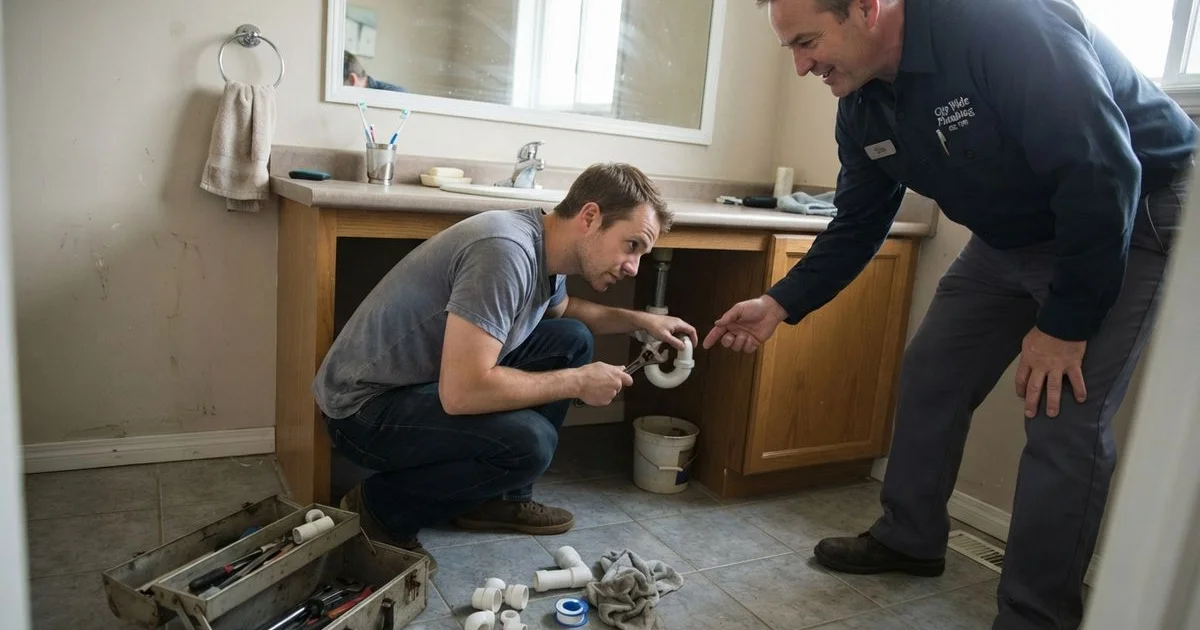
Plenty of plumbing problems are genuinely fixable with a wrench, some plumber’s tape, and twenty minutes on a Saturday. Others look simple and are not, and the gap between the two categories is where most DIY plumbing damage happens. Knowing which side of that line a job falls on before you start is worth more than any tool in the box.
Jobs that are usually fine to DIY
A running toilet, a slow drain that clears with a plunger or a basic drain snake, replacing a worn tap washer or cartridge, swapping a shower head, or clearing a P-trap under a sink are all within reach for most homeowners with basic tools and a bit of patience. These jobs share a few traits: they don’t involve cutting into a wall or floor, they don’t touch gas lines, and a mistake is inconvenient rather than genuinely damaging.
Jobs that usually need a licensed plumber
Anything involving gas lines is not a DIY job, full stop, and in most cases legally requires a licensed gas fitter. Water heater installation or replacement, any work that alters your plumbing system’s layout, sewer line repair, and anything requiring a permit fall into the same category. So does any job where getting it wrong risks water damage to finished areas of the home, since the cost of a mistake there usually dwarfs what a professional visit would have cost.
| Job | DIY-friendly? | Why |
|---|---|---|
| Running toilet, worn flapper | Yes | Simple part swap, low risk if done wrong |
| Clogged sink drain (minor) | Yes | Plunger or basic snake handles most |
| Leaky faucet cartridge | Usually | Straightforward with the right part on hand |
| Water heater replacement | No | Gas or electrical connections, code, and permits involved |
| Main sewer line issue | No | Requires diagnosis equipment and often permits |
| Any gas line work | No | Legally requires a licensed gas fitter in Ontario |
The real cost of a DIY mistake
The upfront savings from doing a job yourself are easy to see. The downside risk is not, until it happens. A poorly sealed connection can leak slowly for weeks behind a wall before anyone notices, by which point the damage is far more expensive than the plumber visit would have been. Water finds gaps a homeowner’s eye doesn’t catch, and by the time a stain shows up on drywall or a floor starts to feel soft, real damage has usually already happened.
There’s also a code and safety dimension: some jobs, especially anything touching gas, are regulated for a reason, and an unlicensed repair can create a genuine safety risk in addition to whatever plumbing problem it was meant to solve.
Tools and prep for the jobs worth trying
If you’re tackling something on the DIY-friendly list, a few basics go a long way: an adjustable wrench, plumber’s tape, a small drain snake, and a bucket to catch water when you disconnect anything. Turn off the local shut-off valve before working on a fixture, not just the fixture itself, and test the water is actually off before you start disassembling anything. Take a photo of how a fixture is put together before you take it apart; it makes reassembly far less guesswork. And keep the old part when you go buy a replacement, matching it in person avoids a second trip for the wrong size or thread type.
A simple way to decide
Ask three questions before starting: Does this involve gas, or could it if something goes wrong? Would a mistake here be inconvenient, or would it be expensive (water damage, code violation, needing to redo the work anyway)? And do I actually have the right part and tool, or am I guessing? If any answer points toward risk, that’s usually the signal to call a professional instead of pushing forward.
For jobs on the hire-a-pro side of that line, the Ontario Plumber Directory is a place to compare licensed plumbers by category, and the methodology page explains how listings are ranked on real review signals like fair pricing and clean work, both of which matter more once you’ve decided a job is worth paying for.
Questions people ask
- Is it legal to do my own plumbing work in Ontario?
- Minor repairs and fixture swaps are generally fine for a homeowner to do themselves. Work that alters the plumbing system, involves gas lines, or requires a permit typically needs to be done or signed off by a licensed professional.
- What's the most common DIY plumbing mistake?
- Overtightening connections, which is a common cause of cracked fittings and slow leaks that surface weeks later. Snug and sealed is the goal, not as tight as possible.
- Can a bad DIY repair affect a home insurance claim?
- It can. If unlicensed or improper work contributed to a later failure, an insurer may look closely at that during a claim, which is one more reason to know where the line sits.
- How do I know if a job needs a permit?
- Anything touching a gas line, altering the layout of your plumbing system, or replacing a water heater in many municipalities typically requires a permit. A licensed plumber can confirm what applies to your specific job.