Is a plumbing emergency covered by home insurance in Ontario?
By Petra Vogel · Updated 2026-06-25
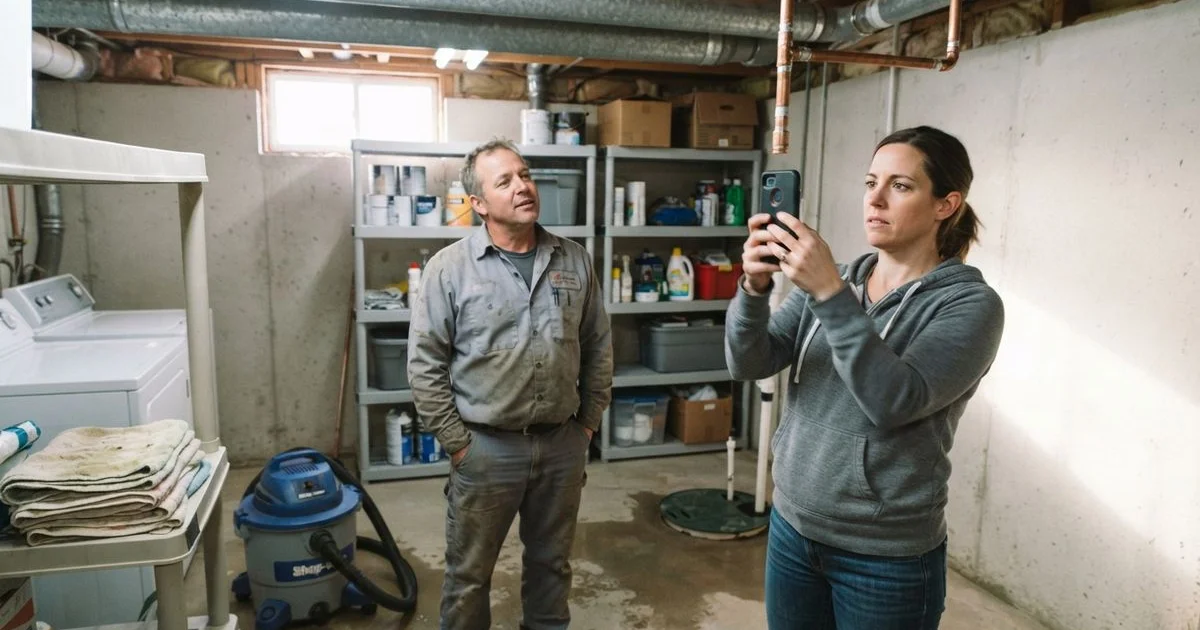
This is general information about how home insurance commonly treats plumbing emergencies in Ontario, not a substitute for reading your own policy or speaking with your insurer, since coverage varies by provider and by the specific policy you hold.
The general pattern insurers use
Most Ontario home insurance policies draw a line between sudden, accidental damage and damage caused by gradual wear or lack of maintenance. A pipe that bursts without warning and floods a basement, the kind of event that also sends people looking for an emergency plumber, is the kind of event standard coverage is built for. A slow leak behind a wall that went unnoticed for a year, causing rot and mold, is the kind of event many policies will push back on, on the theory that regular maintenance should have caught it.
This distinction matters more than almost anything else when you’re trying to guess whether a specific situation is covered.
What’s commonly covered
| Situation | Typically covered? | Why |
|---|---|---|
| Burst supply pipe, sudden flooding | Often yes | Sudden and accidental |
| Water heater tank failure | Often yes, for the water damage | Sudden failure, though the unit itself may fall under separate terms |
| Sewer or drain backup | Only with added coverage | Standard policies frequently exclude this by default |
| Slow leak causing long-term damage | Often no, or partially | Treated as a maintenance issue, not a sudden event |
| Frozen and burst pipes | Often yes, if reasonable precautions were taken | Insurers may ask whether heat was maintained in the home |
Every policy is different, and this table describes common patterns, not guarantees about any specific policy.
The repair versus the damage
It helps to separate two different costs. The plumbing repair itself, fixing or replacing the pipe, fixture, or water heater, is one line item. The resulting damage, flooring, drywall, cabinetry, and belongings, is another. Insurance is more likely to cover the second category than the first, even in a clearly sudden event, because insurers generally treat plumbing equipment failure as a maintenance responsibility while treating the resulting property damage as an insurable loss.
Ask your insurer directly whether the repair itself is ever covered under your specific policy, since this varies more than most homeowners expect.
Sewer backup coverage is worth checking now
Given how often standard policies exclude it, sewer and drain backup deserves its own mention. This coverage, sometimes offered as an add-on rider, protects against sewage or groundwater backing up through drains into a basement, which is a common and expensive event in older Ontario housing stock with aging municipal infrastructure. If you’ve never confirmed whether your policy includes it, a quick call to your insurer is worth the ten minutes, well before you’re standing in a flooded basement.
Questions worth asking before you need to
A short call to your insurer, or a careful read of your policy documents, can settle most of the uncertainty above ahead of time rather than during a stressful claim. Worth confirming: whether sewer backup is included or needs a rider, whether there’s a specific exclusion for gradual damage or lack of maintenance, what your deductible is for water damage claims specifically, and whether frozen-pipe damage requires you to show the home was kept heated to a minimum temperature while away. Some policies also ask whether the home was inspected or had plumbing work done within a certain window before the event, so keeping a simple record of major plumbing repairs and their dates is a small habit that can matter later.
Making a claim after a plumbing emergency
Document the damage with photos before cleanup begins, the same first move covered in the emergency plumbing guide for what to do before help arrives. Keep receipts for any emergency repairs and temporary fixes. Report the claim promptly, since most policies specify a reporting window and delays can complicate things. And get a written invoice from the plumber describing the cause of the failure, not just the fix, since insurers often ask for that detail to determine whether the event was sudden or gradual.
For general pricing context while you’re weighing repair costs against a deductible, browse the Ontario Plumber Directory for typical ranges across common plumbing jobs, and how listed emergency plumbers are scored for responsiveness and transparent pricing is explained on the methodology page.
Questions people ask
- Does home insurance cover a burst pipe?
- Usually, if the burst was sudden and accidental. Most policies cover the resulting water damage to your home and belongings, though the plumbing repair itself may or may not be included depending on the cause.
- Is sewer backup automatically covered?
- Often not without an added rider. Standard policies frequently exclude sewer and drain backup unless you've purchased that coverage separately, so it's worth checking rather than assuming.
- Will insurance pay for a leak that's been going on for months?
- Gradual leaks and damage from lack of maintenance are commonly excluded, since insurers generally cover sudden, accidental events rather than slow deterioration a homeowner could have caught earlier.
- Should I call my insurer or a plumber first?
- Stop the water first, then call the plumber if the situation is urgent. Contact your insurer as soon as it's safe to, since many claims have time-sensitive reporting requirements.